
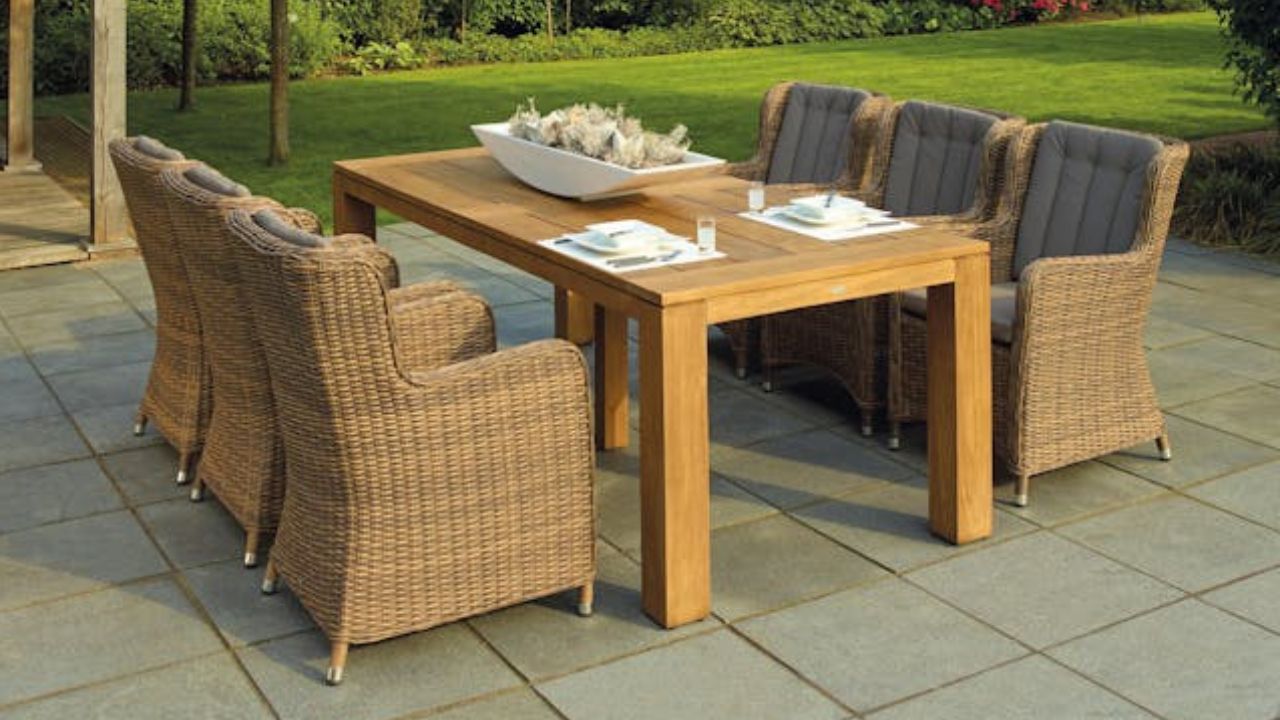
When choosing the best material for garden benches, it’s common to debate between concrete and wood. Both offer unique advantages in terms of aesthetics, durability, and functionality.
+ Ellen DeGeneres’ Resort-Style Zen Garden Surprises in the English Countryside
However, to make the best decision for your garden, it’s essential to weigh the pros and cons of each option, considering factors such as maintenance, comfort, cost, and landscape style.
Concrete Garden Bench: Durability and Low Maintenance
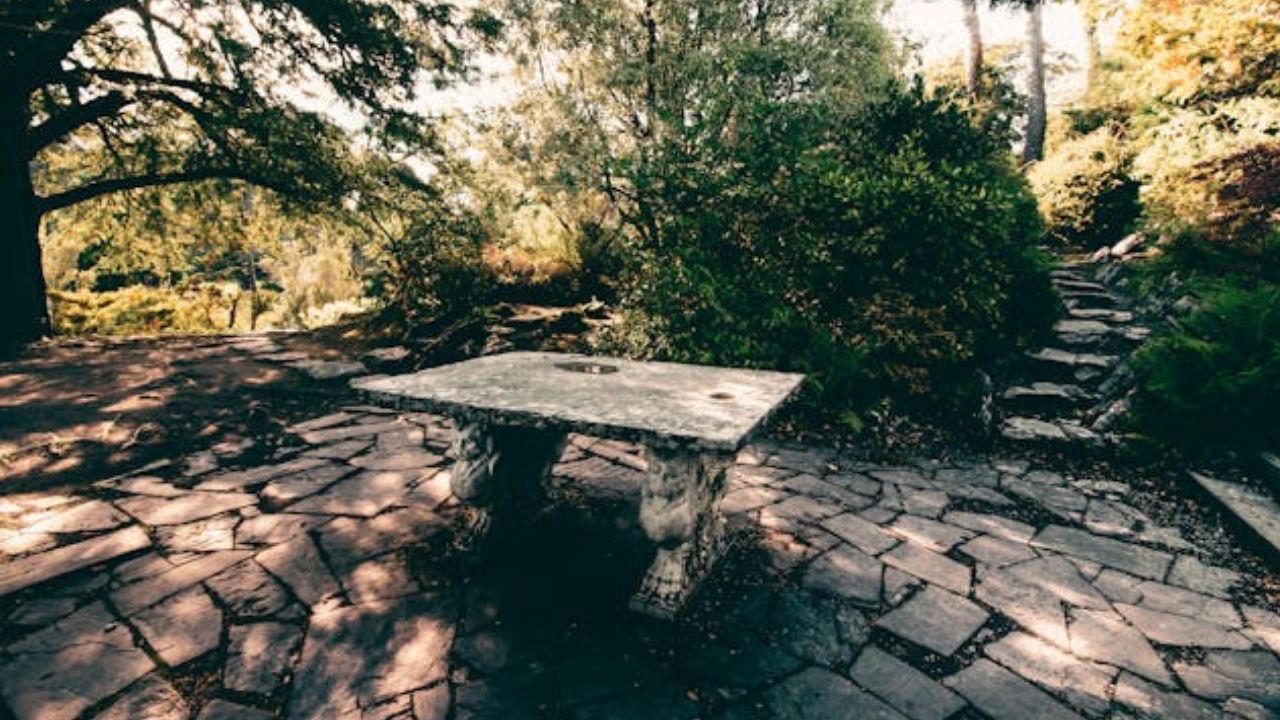
One of the most notable benefits of a concrete bench is its high durability. This material is designed to withstand continuous use and extreme weather conditions like rain, intense sun, and frost. When made with quality concrete and properly maintained, such as through periodic sealing, the bench can last for decades.
Another advantage is customization: concrete benches can be molded into various shapes, sizes, colors, and textures. Decorative patterns or carvings can even be incorporated into the concrete itself, adding personality to the outdoor environment.
Despite its benefits, there are some important downsides. Concrete is very heavy, making it hard to move and increasing transportation and installation costs. For this reason, it’s not recommended for those looking for flexible garden layouts. Additionally, concrete benches can be uncomfortable for long use and tend to get cold in winter and hot in summer. To mitigate this, it’s advisable to use waterproof cushions and install an umbrella for shade.
Wooden Garden Bench: Natural Charm and Versatility
Wood is one of the most traditional and popular materials in outdoor decor projects. Its warm and timeless appearance pairs beautifully with natural elements like trees, flowers, and lawns. Beyond aesthetics, wood offers versatile design options and a wide range of styles—it can be carved, painted, or varnished to match personal preferences.
Another highlight is cost-effectiveness: there are affordable models on the market, along with more refined options featuring handcrafted designs. Wood is also considered a sustainable material, especially when there’s a focus on reuse or restoration of old furniture.
However, wooden benches require frequent maintenance to resist weather damage. Without proper care, such as sanding, applying stain or varnish, and touch-ups, wood can rot, crack, or fade. Species like teak, cedar, and sequoia are more resistant to the elements, insects, and moisture, though they still require consistent attention.
Teak, in particular, is an excellent choice for those seeking durability with elegance. Rich in natural oils, it repels pests and prevents decay, maintaining its beauty even without treatment. Over time, it develops a silver patina that adds even more charm to the outdoor space.
Which Material Should You Choose for Your Garden Bench?
The decision between concrete or wood depends on your lifestyle, budget, and the needs of your outdoor space. If you prioritize durability and low maintenance, concrete is ideal. If you’re looking for a natural, cozy, and flexible appearance, wood may be the best choice—as long as you’re willing to care for it regularly.
Regardless of the material, the most important thing is that your garden bench provides comfort, beauty, and harmony with the rest of your landscaping. After all, it’s in that spot where you can relax, enjoy nature, and make the most of your time outdoors.
Source: House Digest
This content was created with the help of AI and reviewed by the editorial team.
